Let’s Connect on Social
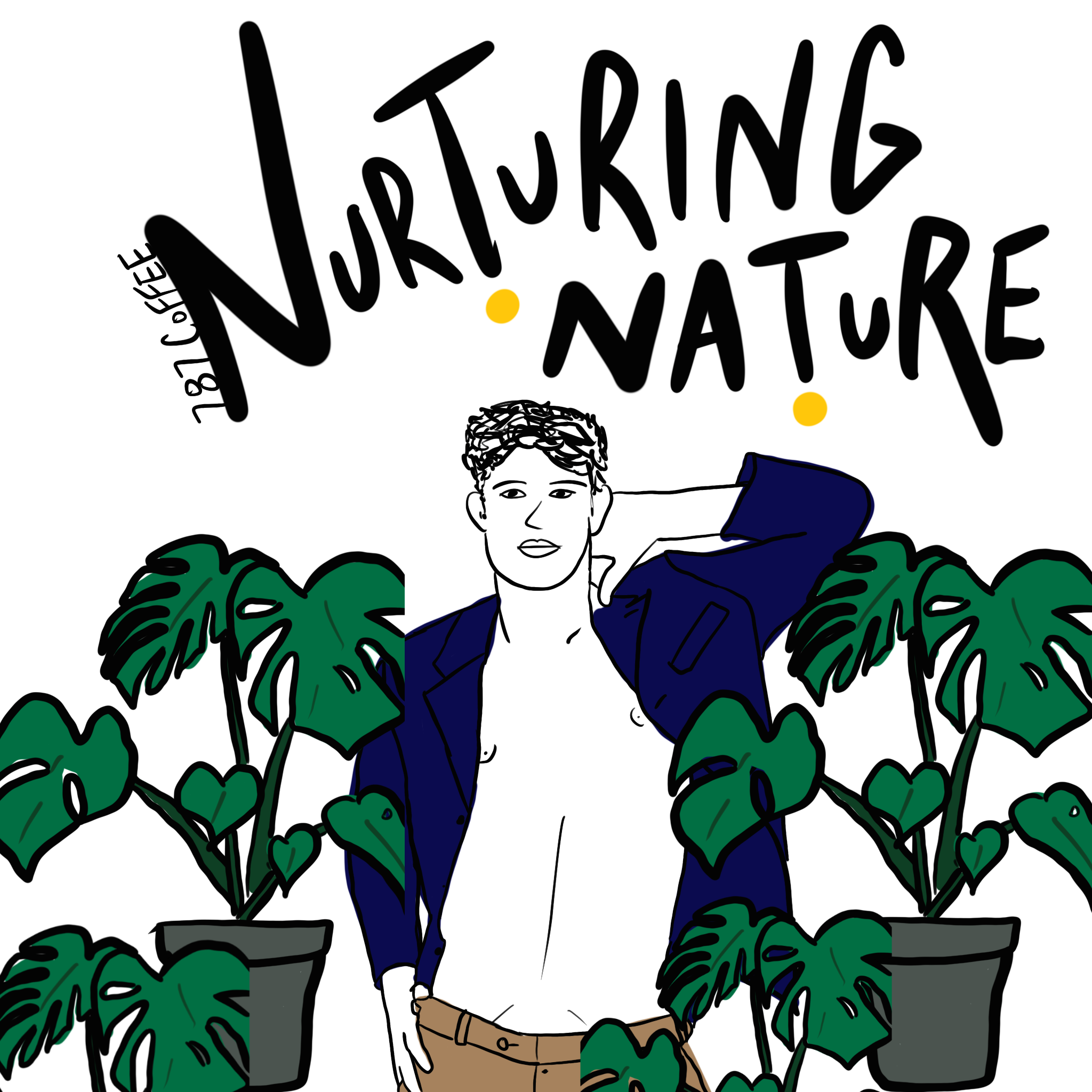
In February we promoted nurturing nature.
This February, 787 Coffee closes the month the way we started the year — with intention, education, and a reminder that the most important thing we can do every single day is take care of the nature that takes care of us.
Before 787 Coffee was a coffee shop, it was a farm.
Before it was a brand with 30+ locations across New York City, New Jersey, Texas, Puerto Rico, and now Mexico City — it was a single decision made in 2014 on a mountain in Maricao, Puerto Rico, to buy a coffee farm and build something real from the ground up. To grow something. To be accountable to the earth that gives us everything.
That farm is Hacienda Iluminada. And every cup of 787 Coffee you have ever tasted started there — in the soil, under the shade of the mountain canopy, in the hands of the humans who have cared for it through hurricanes, pandemics, and every season in between.
In February, our theme was Nurturing Nature. We closed February with 28 pieces of content — social posts, screen visuals, educational moments — all built around one idea: nature is not a backdrop to the coffee experience. Nature is the coffee experience. And the humans who understand that will always drink better, live better, and buy better.
This is that story. And this is why it matters — not just for 787 Coffee, but for every human on the planet who drinks a cup of coffee every single morning without thinking about the mountains it came from.

You already know Punch. The baby Japanese macaque who was abandoned by his mother, handed a stuffed orangutan for comfort, bullied by his troop — and still kept going. Still clutching his plushie. Still showing up every day.
The internet saw a little monkey doing it alone.
Entrepreneurs saw themselves.
This bold vinyl sticker from 787 Coffee is for everyone who's been the outcast, the underdog, the one who had to figure it out without a blueprint — and did it anyway.
Just like Punch. Just like us.
The 787 Coffee Connection
787 Coffee was born on a farm in Maricao, Puerto Rico in 2014. Hurricane Maria. COVID. Building from scratch with no roadmap. We know what it means to clutch your plushie and keep moving. This sticker is our badge of honor — and yours.
Premium Vinyl. Zero Apologies.
Weather-resistant die-cut vinyl built for your laptop, water bottle, car, notebook, or anywhere you carry your grind. Bold black and gold lettering with teal outline pop — impossible to miss, impossible to forget.
Perfect For:
Punch the Monkey fans who felt that story in their soul
Founders, freelancers & first-gen entrepreneurs
Anyone who's been the underdog and won anyway
Coffee lovers who run on caffeine and stubbornness
The best coffee shop in NYC, New Jersey, Texas & Puerto Rico — 787 Coffee
Get yours. Stick it somewhere that means something. Because Punch didn't quit — and neither did you.
Laptop sticker, ipad sticker, phone sticker, best coffee shop creative sticker
Where It All Started: Hacienda Iluminada, Maricao, Puerto Rico — 2014
In 2014, the founders of 787 Coffee made a decision that almost nobody in the coffee industry makes: they bought the farm.
Not sourced from the farm. Not partnered with the farm. Not visited the farm once and put a sticker on a bag. They bought it, named it Hacienda Iluminada — The Illuminated Estate — and committed to growing, harvesting, processing, and roasting their own coffee from that land, on that island, on their own terms.
Maricao sits in the western mountain range of Puerto Rico — the Cordillera Central — at elevations between 1,500 and 3,000 feet. The volcanic soil is rich with minerals. The climate alternates between warm Caribbean days and cool mountain nights that slow the growth of the coffee cherry and allow its sugars to develop slowly and fully. The mist from the rainforest rolls in most mornings. The birds are loud. The air is clean.
This is not an accident of geography. Puerto Rico's coffee-growing regions produce beans with a flavor profile that is globally rare — naturally smooth, low-acid, bright with a sweetness that needs no additives. The island has been growing world-class coffee for over 200 years. And at Hacienda Iluminada, we are carrying that legacy forward — one season at a time.
"We did not start 787 Coffee to sell coffee. We started it to protect a culture, preserve a land, and prove that Puerto Rico still grows some of the finest coffee in the world." — BrandON, CEO & Co-Founder
That is what farm ownership means. That is what Nurturing Nature means. Not a hashtag. A decision made in 2014 that changed everything.

Less than 1% of coffee shops in the world own a farm. We own Hacienda Iluminada in Maricao, Puerto Rico — and Supremo is the coffee it was built for.
Award-winning: Supremo carries the same specialty quality that earned 787 Coffee #3 Best Coffee Shop in New York City and #32 in North America — The World's 100 Best Coffee Shops, 2026.
Supremo is our flagship single-origin specialty coffee: a smooth medium roast of specialty-grade Arabica, grown at 3,000 feet in the mountains of Maricao and honey-processed for natural sweetness and depth. Tasting notes: dark chocolate, buttery caramel, citrus, and honey.
Honey-processed means the sweet mucilage is left on the bean as it sun-dries at the farm, so the sugars absorb right into the coffee — you taste it in every cup. Single-origin means every bean comes from one farm, with full traceability. No blending. No mystery origin.
Roasted to order in small batches — under 15 minutes, never sitting in a warehouse. And every bag plants one coffee tree at Micro Lot 2026, Hacienda Iluminada.
Brew it your way — espresso, pour-over, or drip. Available whole bean or ground.
Make it a subscription and save 10% — never run out of your daily cup. And if you love Supremo, taste it in our limited-edition Soccer & Coffee fútbol-season bag.
Grown with care. Roasted with purpose. Fueled by passion. For Humans, By Humans.
ONE BAG. ONE TREE.
Also try our limited-edition Soccer & Coffee bag, the same farm-grown Supremo roast in collectible hand-painted art.
FAQ:
What is 787 Coffee's Supremo Roast?
Supremo is 787 Coffee's flagship single-origin specialty coffee — a honey-processed medium roast of specialty-grade Arabica grown on our own farm, Hacienda Iluminada, in Maricao, Puerto Rico.
Has 787 Coffee's Supremo won any awards?
Yes. Supremo reflects the specialty quality that earned 787 Coffee #3 Best Coffee Shop in New York City and #32 in North America in The World's 100 Best Coffee Shops, 2026.
What does Supremo coffee taste like?
Bold, smooth, and balanced, with tasting notes of dark chocolate, buttery caramel, citrus, and honey.
What makes 787 Coffee different from other coffee brands?
Less than 1% of coffee shops in the world own their own farm. 787 Coffee owns Hacienda Iluminada in Maricao, Puerto Rico, at about 3,000 feet — so every cup is genuinely farm-to-cup and traceable to one farm.
Is Supremo whole bean or ground?
Available whole bean or ground — choose at checkout. For the freshest cup, we recommend whole bean, ground fresh at home.
Where is Supremo grown and roasted?
On 787's own farm, Hacienda Iluminada, in the mountains of Maricao, Puerto Rico, at 3,000 feet — then roasted to order in small batches, in under 15 minutes.
Is Supremo good for espresso?
Yes — its balanced medium roast works beautifully as espresso, pour-over, or drip.
Can I get Supremo on a subscription?
Yes — add a Monthly Coffee Subscription and save. Never run out, cancel anytime, free shipping.
Is this real Puerto Rican coffee?
Yes — 100% single-origin Puerto Rican coffee, grown and roasted on our own farm in Maricao and fully traceable from farm to cup.
Supremo is 787 Coffee's single-origin, honey-processed medium roast — Puerto Rican specialty coffee grown and roasted on our own farm.
Why Nature Matters — The Real Relationship Between the Earth and Your Coffee Cup
Most humans who drink coffee every single day have never thought about where it comes from. And that is not their fault — the modern coffee industry has worked hard to make coffee feel like a product that simply appears, cleaned and bagged, in a café or on an e-commerce shelf.
But coffee is an agricultural product. It grows on a plant. It lives or dies based on the health of the soil beneath it, the rain that falls on it, the trees that shade it, and the ecosystem that surrounds it. When that ecosystem is healthy, the coffee is extraordinary. When that ecosystem is damaged, degraded, or depleted — the coffee suffers. And so does everything and everyone that depends on it.
Here is what nature actually does for your coffee:
🌱 Soil Health Creates Flavor Depth
The minerals in the soil — potassium, magnesium, phosphorus, nitrogen — are directly absorbed by the coffee plant's roots and expressed in the flavor of the bean. This is why a coffee grown in volcanic soil in Maricao, Puerto Rico tastes fundamentally different from one grown in red clay in Colombia or black earth in Ethiopia. Healthy, biodiverse soil produces complex, nuanced flavor. Depleted, over-farmed soil produces flat, bitter coffee that needs a lot of sugar and milk to become drinkable. When 787 Coffee invests in soil health at Hacienda Iluminada, we are investing directly in the flavor in your cup.
🌳 Shade Trees Protect the Entire Ecosystem
Traditional coffee growing — the way it was done for centuries before industrial farming — involves growing coffee plants under a canopy of larger shade trees. These trees do multiple things simultaneously: they protect the coffee from direct UV exposure (which causes over-ripening and loss of nuance), they regulate soil temperature, they provide habitat for birds and insects that pollinate the plants and control pest populations, and they draw down carbon from the atmosphere. Shade-grown coffee is, in nearly every measurable way, better for the environment and for the flavor of the bean. At Hacienda Iluminada, this is how we grow.
💧 Water Conservation Is Non-Negotiable
Coffee processing — removing the cherry pulp from the coffee bean — traditionally uses enormous volumes of water. Wet processing can consume up to 40 liters of water per kilogram of coffee produced. At Hacienda Iluminada, we use water-conserving processing methods that minimize waste and protect the watershed surrounding our farm. The streams and aquifers of the Maricao mountains feed communities downstream. Our responsibility to them is not optional. It is the foundation of everything we do.
🐦 Biodiversity Is the Farm's Immune System
A coffee farm that is not biodiverse is not sustainable — it is fragile. Monoculture farming (growing only one crop across an entire piece of land) creates conditions where a single pest, fungus, or weather event can destroy everything. Biodiversity — the coexistence of multiple plant species, insects, birds, and microorganisms — creates resilience. At Hacienda Iluminada, we do not just grow coffee. We grow within a living ecosystem. That ecosystem protects us and we protect it. This is what nature-positive farming actually looks like.
The Numbers Every Conscious Coffee Drinker Needs to Know
This is not abstract environmentalism. These are the realities of the global coffee industry that every human who drinks coffee should understand:
$23.96 billion in 2025 The U.S. coffee market forecast to reach
8.7% CAGR — projected to reach $13.16B by 2030 Global organic coffee market growing at
60% check for sugar content — signaling demand for clean, natural coffee Of U.S. consumers who check nutritional labels on coffee,
17 kg of greenhouse gas emissions per kilogram of coffee produced Coffee production accounts for
deforestation — clearing forest land to create sun-grown coffee farms The primary driver of coffee's carbon footprint is
actively draws down carbon and restores biodiversity Regenerative and shade-grown farming, by contrast,
These numbers tell a simple story: the way most of the world grows coffee is damaging the very nature that makes coffee possible. And the humans who are shifting toward farm-to-cup, sustainably grown, nature-positive coffee are not just making a personal choice — they are participating in the single most effective consumer-driven intervention in the global coffee supply chain.
Every bag of 787 Coffee you buy is a vote for a different way of farming. Every cup you order at one of our locations is a vote for what the coffee industry should look like.
28 Days. 28 Pieces of Content. One Mission: Educating the 787 Coffee Community on Why Nature Matters
This February, 787 Coffee committed to something most coffee brands never attempt: 28 days of consistent, intentional, educational content — every single day — all centered around the theme of Nurturing Nature.
The content lived across our social media channels (Instagram, TikTok) and on the screens inside our coffee shops — turning every 787 Coffee location into a small classroom about coffee farming, sustainability, agriculture, and the relationship between the earth and the cup.
Here is why we did it:
Because Education Changes Behavior
When a human walks into a coffee shop and sees a screen that says 'Did you know shade-grown coffee actively removes carbon from the atmosphere?' — that human becomes a more conscious consumer. They start asking questions. They start reading labels. They start caring about where their coffee comes from. And when they find a brand like 787 Coffee that can answer those questions with a real farm story and a real address in Maricao, Puerto Rico — they do not just become customers. They become advocates.
Because Our Brand Was Born on a Farm, Not in a Marketing Agency
787 Coffee did not hire someone to invent a sustainability narrative. We bought a farm in 2014, survived Hurricane Maria, rebuilt, grew, and carried the story of Hacienda Iluminada into every single location we have ever opened. Nurturing Nature is not a content theme we chose because it is trending. It is the literal description of what we have been doing for over a decade. The content we created this February is simply the public expression of the private commitment we made the day we signed the deed to Hacienda Iluminada.
Because Conscious Consumers Deserve to Know the Truth About Coffee
The global coffee industry has a transparency problem. Most humans who love coffee have no idea where it was grown, who grew it, what practices were used, or whether the farmer who grew it was paid a living wage. At 787 Coffee, we believe that every human who spends money on coffee deserves to know the full story. And it is our job — through content, through education, through farm-to-cup accountability — to tell it.

How to Be a More Conscious Coffee Consumer — Starting With Your Next Cup
Nurturing Nature does not require a farm in Puerto Rico. It requires awareness and intention. Here is how every human who loves coffee can participate:
1. Ask Where Your Coffee Comes From
The next time you order a coffee — at 787 Coffee or anywhere else — ask your barista where the beans are from. A good specialty coffee shop should be able to tell you the farm, the country, the region, and the processing method. If they cannot, that tells you something important about how they source. At 787 Coffee, we can take you all the way back to the Maricao mountains of Puerto Rico — because that is where it started.
2. Choose Farm-to-Cup Over Anonymous Blends
Many commercial coffee brands sell blends made from beans sourced from multiple anonymous suppliers with no disclosed origins. Farm-to-cup coffee — like every bag of 787 Coffee — gives you a traceable origin story. You know the land. You know the farm. You know the philosophy behind the growing practices. That traceability is not just ethical. It is the single greatest predictor of quality in the cup.
3. Buy Directly From Coffee Farmers When You Can
Every time you order 787 Coffee online at 787coffee.com, you are buying directly from the brand that owns the farm. No middlemen. No brokers. No opaque supply chains. The margin that would otherwise go to a distributor goes back into Hacienda Iluminada — into better farming, better wages, better practices. This is how direct-to-consumer coffee shopping changes the world one bag at a time.
4. Look for Shade-Grown and Organic Certifications
Shade-grown coffee — grown under a canopy of native trees, the way coffee was grown for centuries before industrial farming — is better for biodiversity, better for the soil, better for the atmosphere, and almost always better-tasting than sun-grown commodity coffee. When you see shade-grown, organic, or regenerative farming practices on a coffee label or website, that is a meaningful signal that the brand takes the relationship between nature and coffee seriously.
5. Reduce, Reuse, Compost
Used coffee grounds are one of the most nutrient-dense natural composts available. They are rich in nitrogen and trace minerals that plants love. Instead of sending your used grounds to a landfill, add them to a compost bin or directly to the soil around your houseplants or garden. You are completing the cycle — returning to the earth what the earth gave you. That is Nurturing Nature in the most literal, immediate form.

The Bigger Picture: Coffee, Climate, and What Happens If We Get This Wrong
Coffee is in crisis. And most humans who drink it every day have no idea.
Climate change is altering the growing conditions for coffee faster than the industry can adapt. Rising temperatures, unpredictable rainfall, increased pest pressure, and the expansion of coffee leaf rust disease are threatening coffee yields across the primary growing regions of the world — Ethiopia, Colombia, Brazil, Central America, and the Caribbean.
Scientists estimate that by 2050, up to 50% of the land currently used to grow coffee could become unsuitable for cultivation if current climate trajectories continue. The coffee that billions of humans take for granted every morning — as a daily ritual, as a cultural anchor, as a source of comfort and connection — could become genuinely scarce.
The farms that invest now in regenerative practices, shade-growing, biodiversity, and soil health are the farms that will survive. The farms that prioritize short-term yield over long-term ecology are farming themselves into extinction.
Hacienda Iluminada is one of the farms investing in survival — and in legacy. When we talk about Nurturing Nature at 787 Coffee, this is the stakes we are playing for. Not marketing. Not branding. The actual future of coffee on earth.
"The best way to protect the future of coffee is to farm as if the farm's survival matters more than this season's yield. Because it does." — BrandON, 787 Coffee

Be a CAFFEINATED HUMAN.
Be a creative human. Be a good human.
Be a Nueva JeLsey Caffeinated Human.
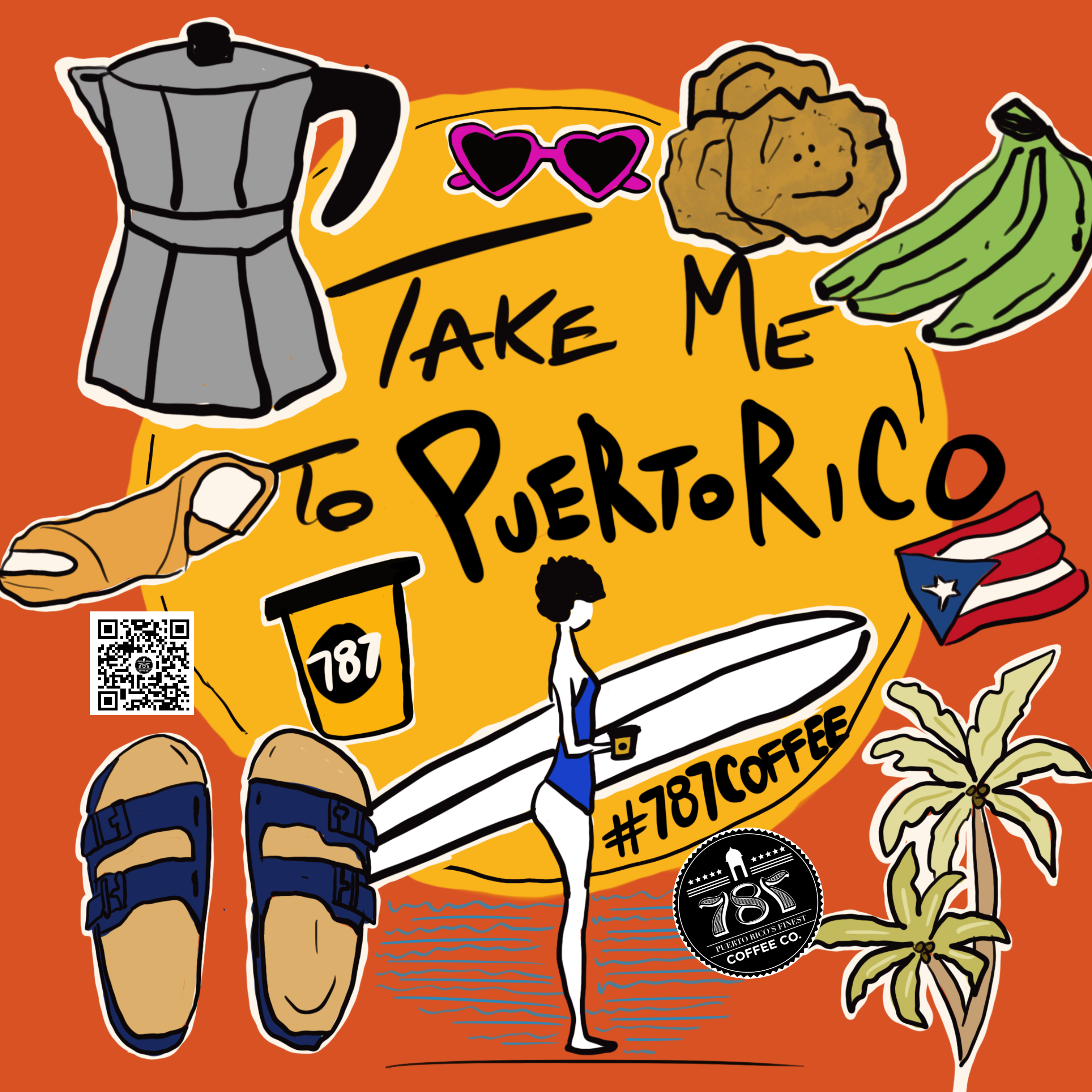
Bring the magic of Puerto Rico wherever you go with our Take Me to Puerto Rico sticker!
This 3x3-inch sticker is perfect for your iPad, computer, mugs, or suitcases, showcasing the vibrant spirit of our beautiful island. Featuring illustrations of classic Puerto Rican culture—quesitos, alcapurrias, sunsets, beachlife, the iconic coquí, and of course, 787 Coffee—this sticker is a tribute to the sights, sounds, and happiness that make Puerto Rico the Island of Enchantment.
Whether you're reminiscing about a tropical vacation or showing off your love for Puerto Rico, this sticker is the ultimate souvenir and statement piece. Brighten your day with a touch of the Caribbean and proudly represent Puerto Rican culture wherever you go!
Perfect for:
- Personalizing your iPad, laptop, or water bottle
- Adding a burst of color to your coffee mugs or suitcases
- Sharing your Puerto Rican pride and love for 787 Coffee
Get your Take Me to Puerto Rico sticker today and carry the island vibes with you!
Shop Sustainable, Farm-to-Cup Coffee — Directly From Hacienda Iluminada
If this story resonates with you — if you believe that the coffee you drink every morning should come from a place you can trace, a farm you can trust, and a brand that has been doing this work since 2014 — then 787 Coffee was built for you.
You can taste Hacienda Iluminada right now:
☕ Online: Order fresh-roasted Puerto Rican coffee at 787coffee.com — shipped to your door.
📍 In Person: Visit us at 30+ locations across NYC, New Jersey, Texas, Puerto Rico & now Mexico City (Polanco, CDMX).
🌱 What to order: Ask for our single-origin Hacienda Iluminada pour-over or the signature Puerto Rican espresso.
📦 Coffee Subscription: Get farm-to-cup Puerto Rican coffee delivered on your schedule at 787coffee.com/subscribe.
📱 Follow the Farm: @787coffee — we share the story of 787 Coffee and Hacienda Iluminada every week. Best coffee to buy online.
☕ Visit a 787 Coffee location near you – Walk in today and taste HOST Milano innovation
🛒 Shop 787 Coffee online – Single-origin specialty beans roasted fresh, RTD cold brew, and more
🌱 Visit Hacienda Iluminada – Experience where it all begins in Puerto Rico
📧 Join our newsletter – Get exclusive updates on new coffees, events, and stories
Frequently Asked Questions — Nature, Coffee Farming & 787 Coffee
These are the real questions conscious coffee consumers are searching for. We answer them all.
What does farm-to-cup coffee mean?
Farm-to-cup means the coffee you drink can be traced directly from the specific farm where it was grown, all the way to your cup — with full transparency at every step. At 787 Coffee, farm-to-cup is not a tagline. We own Hacienda Iluminada in Maricao, Puerto Rico, where our flagship coffee is grown, harvested, processed, and roasted under our direct supervision. There are no anonymous middlemen, no opaque supply chains, and no mystery. You know exactly where your coffee comes from.
Why does nature matter to coffee farming?
Nature is not just the backdrop for coffee farming — it is the engine. Healthy soil, clean water, biodiversity, and a balanced ecosystem are the direct inputs that produce high-quality coffee. When the natural environment around a coffee farm is healthy — diverse plant life, active microbial soil communities, clean water sources, native bird and insect populations — the coffee plant thrives and the beans express complex, nuanced flavors. When the environment is degraded, over-farmed, or depleted of biodiversity, coffee quality drops and the farm's long-term survival is at risk. Farming in harmony with nature is not just an ethical choice — it is the only commercially sustainable one.
What is shade-grown coffee and why is it better?
Shade-grown coffee is grown under a canopy of native trees and diverse plant species — mimicking the natural forest environment in which wild coffee plants originally evolved. This method benefits the coffee in multiple ways: it slows the ripening of the coffee cherry (developing more complex sugars and acids), regulates soil temperature, reduces the need for synthetic pesticides by maintaining a natural predator ecosystem, prevents soil erosion, conserves water, and actively sequesters carbon from the atmosphere. Shade-grown coffee is almost universally considered superior in flavor to sun-grown commodity coffee, and it is dramatically better for the environment.
Where is 787 Coffee's farm located?
787 Coffee's flagship farm — Hacienda Iluminada — is located in Maricao, Puerto Rico, in the western mountain range of the island known as the Cordillera Central. Maricao is one of Puerto Rico's most celebrated coffee-growing regions, with volcanic soil, high-altitude growing conditions, and a microclimate that has supported world-class coffee cultivation for over 200 years. 787 Coffee purchased Hacienda Iluminada in 2014, making it one of the few specialty coffee brands in the United States that fully owns and operates its own source farm.
Is 787 Coffee sustainable?
Yes. Sustainability is foundational to how 787 Coffee operates, starting at the source: Hacienda Iluminada in Maricao, Puerto Rico. Our farming practices prioritize soil health, water conservation, shade-growing, and ecosystem biodiversity. Beyond the farm, we operate a direct-trade model that removes unnecessary intermediaries from the supply chain, ensuring that more value flows back to the farm and the humans who work it. Our Nurturing Nature content initiative is part of our broader commitment to educating consumers and the public about the relationship between agriculture, the environment, and the coffee they drink every day.
How do I know if my coffee is ethically sourced?
The most reliable way to know if your coffee is ethically sourced is to trace it back to a specific farm with a verifiable origin story. Look for brands that own or have long-term direct relationships with their source farms, publish transparent information about their farming practices, and can tell you exactly where your beans were grown and how they were processed. Third-party certifications like Fair Trade, USDA Organic, and Rainforest Alliance are useful starting points, but direct ownership and farm transparency go further than any certification. With 787 Coffee, you can trace every bag directly to Hacienda Iluminada in Maricao, Puerto Rico and selected farms we partner with in Mexico and Colombia.
What is regenerative coffee farming?
Regenerative coffee farming goes beyond sustainability — instead of simply minimizing harm to the environment, it actively restores and improves the ecosystem over time. Regenerative practices include composting to rebuild soil organic matter, planting diverse cover crops and native trees, eliminating synthetic pesticides and fertilizers, managing water cycles to improve watershed health, and building long-term biodiversity. Regenerative farms produce better coffee, sequester more carbon, and are far more resilient to the climate disruptions that are threatening conventional coffee agriculture globally. This approach is what the future of responsible coffee farming looks like.
Can I order 787 Coffee online?
Yes. You can order freshly roasted, farm-to-cup Puerto Rican coffee directly from 787 Coffee at 787coffee.com. Our online shop ships whole bean and ground coffee sourced from Hacienda Iluminada across the United States. We also offer a coffee subscription service that delivers on a schedule you choose — so you never run out of the cleanest, most traceable cup of coffee available online. Every online order supports Hacienda Iluminada and the continued investment in sustainable farming practices in Maricao, Puerto Rico.
Where can I visit a 787 Coffee shop near me?
787 Coffee has 30+ locations across New York City, New Jersey, Texas (Houston and El Paso), Puerto Rico, and Mexico City (Polanco, CDMX). Use our store locator at 787coffee.com to find the 787 Coffee location nearest you. Each location serves single-origin espresso and pour-over coffee sourced directly from Hacienda Iluminada, Puerto Rico — giving you a farm-to-cup experience that you can taste the difference in with every single sip.
What happened to Puerto Rico's coffee industry after Hurricane Maria?
Hurricane Maria in September 2017 was a catastrophic event for Puerto Rico's coffee-growing regions. An estimated 80% of the island's coffee crop was destroyed or severely damaged. For 787 Coffee and Hacienda Iluminada, Maria was a defining test of resilience. We rebuilt. We reinvested in the farm. We continued to serve our communities and our customers through the hardest period in the brand's history — because giving up on the farm was never an option. The rebuilding of Hacienda Iluminada after Maria is part of what makes every cup of 787 Coffee more than just a beverage. It is a statement of persistence, love for the land, and belief in the island's future. As we continue to scale we continue to look for coffee farms to buy coffee from that conduct business just like we do. Sustainable coffee, eco-friendly and handpicked coffee beans. Only arabica, only specialty coffee.
Let’s do this!
A Final Word: Nature Is Not Optional
Every cup of coffee is a gift from the earth. From the volcanic soil of Maricao to the mountain mist of the Cordillera Central to the hands of the humans who have tended Hacienda Iluminada through storms and seasons — your morning cup exists because nature made it possible.
Nurturing Nature is not a February theme we will set aside when March arrives. It is the operational philosophy of everything we do at 787 Coffee. It is why we bought a farm in 2014 instead of opening a café. It is why we obsess over soil health and water conservation and biodiversity. It is why we talk about these things on our screens, in our social content, and now here in this blog — because if the humans who love coffee understand where it comes from and what it costs the earth to produce it, they will make better choices.
And better choices, made by enough humans, change industries.
Drink consciously. Buy intentionally. Nurture the nature that nurtures you.
🌱 Shop Farm-to-Cup Puerto Rican Coffee: 787coffee.com
📍 Find Your Nearest 787 Coffee: 787coffee.com/locations
📱 Follow the Story: @787coffee
Take care of the earth while you're at it! 🇵🇷🌎